
 386-752-8656
When a plumbing emergency strikes, every second counts. A burst pipe, leaking water heater, or overflowing toilet can send gallons of water into your home in minutes, causing damage that’s expensive and stressful to repair—demonstrating the plumbing repair delay consequences. The good news? You have the power to stop the flow of water quickly—if you know where your shut-off valve is and how to use it.
In this guide, we’ll walk you through why knowing how to shut off your water is so important, where to find your main shut-off valve, how to operate it, and what steps to take next. With this knowledge, you’ll be prepared to act fast and protect your home from serious plumbing problems.
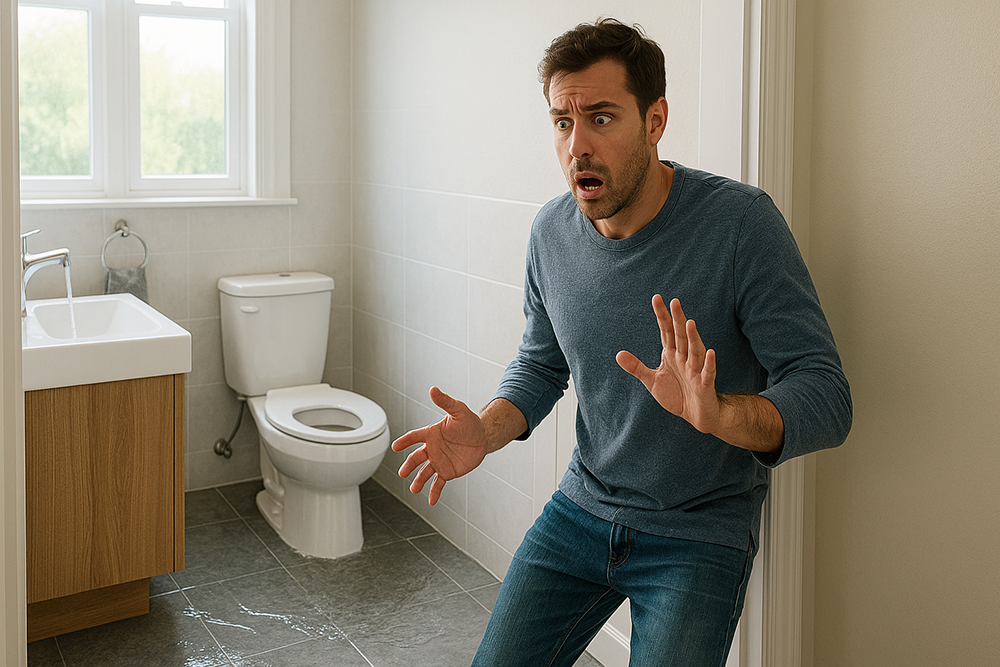
Why Knowing How to Shut Off Your Water Matters
Water damage isn’t just inconvenient—it can be catastrophic. Even a small leak can soak floors, ruin drywall, and encourage mold growth if left unchecked. Large-scale issues, like a burst pipe or broken water heater, can cause flooding that damages furniture, flooring, and even your home’s foundation.
In Florida, homeowners face unique risks such as corroded pipes from high humidity, water intrusion from hurricanes, or sudden appliance failures. That’s why knowing how to cut off your water line supply is one of the most important pieces of homeowner knowledge you can have. Acting quickly can mean the difference between a minor inconvenience and thousands of dollars in repairs.
Locating the Main Water Shut-Off Valve
The first step is knowing where to look. In Florida homes, you typically won’t find valves in basements—since most homes here don’t have them. Instead, your main shut-off valve is usually in one of these places:
- Garage or utility room: Many newer homes have the valve indoors, near the water heater or along the wall where the water line enters the home.
- Exterior wall: Check around the perimeter of your home. The valve may be just outside where the main water line enters.
- Ground-level meter box: In some neighborhoods, the valve is located underground inside a meter box near the street or sidewalk. This box usually has a heavy metal or plastic cover.
The valve itself may look like a round wheel. Once you locate it, consider tagging it with a label or brightly colored tape so you can find it quickly in an emergency, especially if you are concerned about plumbing issues related to Florida water quality.
How to Shut Off Your Main Water Supply
Once you’ve found the valve, the next step is learning how to operate it. The process depends on the type of valve you have:
- Gate valve: This valve looks like a round wheel. To shut off the water, turn the wheel clockwise (“righty-tighty”) until it stops. It may take several turns before the water is fully off.
- Ball valve: This type has a lever handle. To shut off the water, turn the lever a quarter-turn until it’s perpendicular (crosswise) to the pipe.
It’s a good idea to practice this process before an emergency. That way, if a plumbing emergency ever arises, you’ll feel confident and prepared—especially if you’re aware of the ten common plumbing issues that might require quick action.
Knowing how to shut off your main water supply is one of the simplest yet most effective ways to protect your home. Emergencies happen without warning, and the ability to act fast can save you from plumbing emergency repair costs.
Frequently Asked Questions
Question: Where is the main water shut-off valve typically located in a home?
Answer: In many homes, the main water shut-off valve is inside near the point where the main water line enters, such as the garage or utility room. In some climates it may be outside on an exterior wall, or underground in a meter box near the street, often covered by a lid.
Question: How do I shut off my water using a gate valve during an emergency?
Answer: A gate valve usually has a round wheel-like handle. To shut off water in an emergency, turn it clockwise (“righty-tighty”) until it stops, which can take several turns before the flow fully stops. Practicing ahead of time helps you act quickly when it matters.
Question: What’s the difference between a ball valve and a gate valve for emergency shut-off?
Answer: A ball valve has a lever handle, and you turn it a quarter-turn so it sits perpendicular to the pipe. A gate valve has a round wheel that needs multiple turns clockwise until snug. Ball valves generally shut off faster and more reliably.
Question: Why is it important to know how to shut off your water in an emergency?
Answer: Quickly shutting off your water can dramatically reduce damage from burst pipes, leaking water heaters, or overflowing fixtures, protecting floors, walls, and belongings while limiting costly repairs. Acting fast often means less stress and lower restoration costs.
Question: Should everyone in the household know where the water shut-off valve is?
Answer: Yes. Teaching everyone where the main shut-off valve is located and how to operate it ensures that, in a plumbing emergency, someone can act immediately to stop water flow, even if you’re not home.
Contact Barrs Plumbing today for your plumbing services and learn how we can help improve your water quality, protect your plumbing, and bring comfort back to every drop of water in your home.