
 386-752-8656
For those like us in North Central Florida, you’ve likely heard the term “hard water.” But what does it actually mean for your home’s plumbing? The region’s groundwater is naturally rich in minerals such as calcium and magnesium. While these minerals aren’t harmful to your health, they can take a serious toll on your pipes, fixtures, and appliances over time.
Understanding how hard water affects your plumbing—and how a water softener can help—can prevent costly repairs and extend the life of your home’s systems.
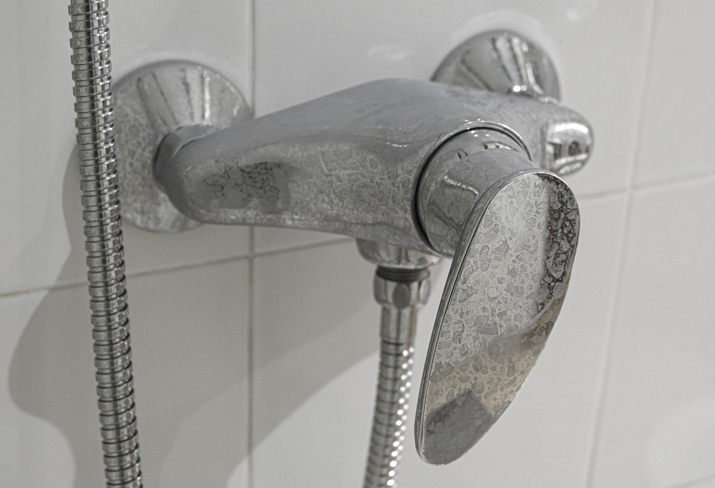
What Is Hard Water?
Hard water contains high levels of dissolved minerals, primarily calcium and magnesium. In North Central Florida, these minerals come from limestone and other natural deposits that groundwater passes through before reaching your home.
While it may seem harmless, this mineral content becomes a problem as water flows through your plumbing system day after day.
How Hard Water Damages Your Pipes
Over time, hard water leaves behind mineral deposits known as scale. This buildup can create several issues:
- Pipe Buildup and Reduced Water Flow. As scale accumulates inside your pipes, it gradually narrows the interior diameter. This restricts water flow, reduces pressure, and forces your plumbing system to work harder than it should.
- Increased Risk of Clogs. Mineral deposits can combine with debris like soap residue, grease, and sediment, leading to stubborn clogs that are harder to remove than typical blockages.
- Corrosion Acceleration. While scale itself is a buildup, it can also contribute to uneven surfaces inside pipes. This creates areas where corrosion is more likely to occur, especially in older plumbing systems.
- Shortened Pipe Lifespan. All of these factors—buildup, pressure strain, and corrosion—add up over time. Pipes exposed to hard water often need repairs or replacement sooner than those in areas with softer water.
The Hidden Impact on Appliances and Fixtures
It’s not just your pipes that suffer. Hard water can also:
- Reduce the efficiency of water heaters by coating heating elements with scale
- Leave spots and residue on dishes and glassware
- Cause soap and detergent to work less effectively
- Lead to buildup on faucets, showerheads, and valves
These issues can increase your energy bills and maintenance costs while reducing the overall performance of your home’s systems.
How a Water Softener Helps
A water softener is designed to remove the calcium and magnesium from your water through a process called ion exchange. By replacing these minerals with sodium or potassium ions, the system effectively “softens” the water before it enters your plumbing.
Here’s how that makes a difference:
- Prevents Scale Buildup. Without excess minerals, scale doesn’t form inside your pipes, helping maintain proper water flow and pressure.
- Extends the Life of Plumbing. By reducing buildup and minimizing corrosion risks, a water softener helps your pipes last longer and perform better.
- Improves Appliance Efficiency. Water heaters, dishwashers, and washing machines operate more efficiently without mineral deposits interfering with their components.
- Reduces Maintenance and Repairs. Fewer clogs, cleaner fixtures, and less wear on your system mean fewer service calls and lower long-term costs.
A water softener can alleviate these problems while keeping you comfortable and content.