
 386-752-8656
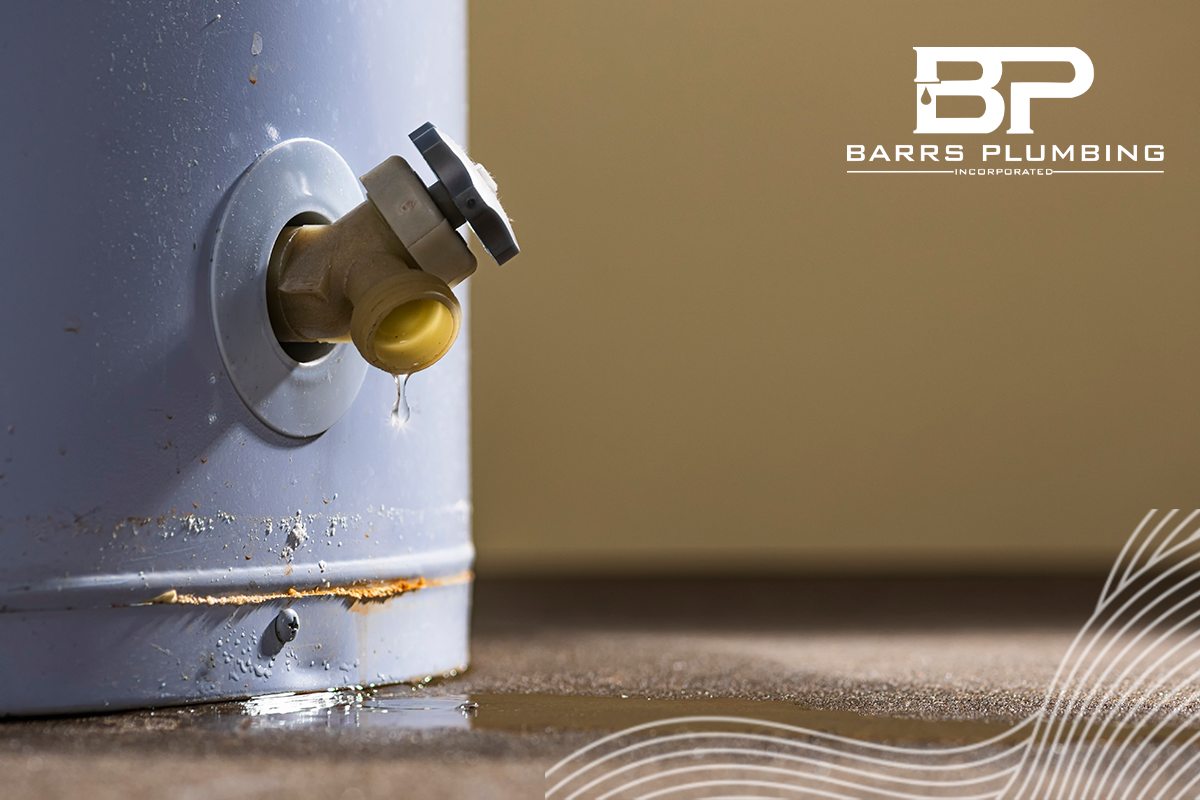
A leaking water heater can be alarming, especially when it happens unexpectedly. While some leaks are minor, others can signal a more serious problem that needs immediate attention. Understanding why your water heater is leaking can help you respond quickly and protect your home from water damage.
Knowing the most common causes—and when it’s time to call a professional—can make a stressful situation much easier to manage.
Condensation vs. a True Leak
Not all moisture around a water heater indicates a problem. In some cases, what looks like a leak may actually be condensation. When cold water enters the tank and meets warm air, moisture can form on the outside of the unit and drip onto the floor.
If the moisture appears only during heavy use and disappears afterward, condensation may be the cause. However, consistent pooling water should never be ignored.
Loose or Damaged Connections
Water heaters rely on several connections, including cold water inlet lines, hot water outlet lines, and pressure relief valves. Over time, these fittings can loosen due to normal expansion and contraction.
A slow drip near the top of the unit often points to a connection issue. While this type of leak may seem minor, it can worsen if left unaddressed. Professional inspection ensures connections are properly secured without damaging components.
Pressure Relief Valve Issues
The temperature and pressure relief valve is a critical safety feature designed to release excess pressure from the tank. If this valve becomes faulty or is under constant stress, it may begin to leak.
A dripping relief valve can indicate excessive pressure inside the tank or a valve that no longer seals correctly. Because this component plays a key role in safe operation, it should always be evaluated by a licensed plumbing professional.
Internal Tank Corrosion
One of the most serious causes of a leaking water heater is internal corrosion. Over time, minerals in the water can wear down the tank lining. Once corrosion reaches the tank itself, leaks often appear near the bottom of the unit.
Unfortunately, internal tank corrosion usually means replacement is necessary. Catching the issue early can help prevent extensive water damage and unexpected system failure.
Cracks Caused by Temperature Stress
Repeated heating and cooling cycles can put stress on the water heater tank. Over time, this stress may lead to small cracks that allow water to escape. These leaks can be difficult to spot initially but often worsen quickly.
Any visible crack or consistent leak should be treated as urgent and evaluated by a professional plumber as soon as possible.
When to Call a Professional Plumber
If you notice standing water, ongoing dripping, rust-coloured water, or a sudden drop in hot water availability, it’s time to call a professional. Attempting to diagnose or repair internal water heater issues without proper training can lead to further damage or safety concerns.
Professional plumbers have the tools and experience to determine the source of the leak and recommend the safest, most effective solution.
Trust Barrs Plumbing Inc. for Water Heater Solutions
When water heater leaks occur, fast and reliable service matters. Barrs Plumbing Inc. provides professional water heater diagnostics and repair services designed to restore performance and protect your home.
Their experienced team can quickly identify the cause of the leak and guide you through your repair or replacement options with clarity and care.
Frequently Asked Questions
Question: Is it safe to keep using a leaking water heater?
Answer: Continuing to use a leaking water heater can increase the risk of water damage and may be unsafe if the problem involves electrical, gas, or pressure-related components. If the leak is active or worsening, shut the unit down safely and have it inspected promptly.
Question: Is a water heater leak from the top less serious than one from the bottom?
Answer: Leaks near the top often come from fittings, supply connections, or valves that may be repairable. Water collecting at the bottom can also come from a valve, but leakage through the tank itself usually indicates corrosion and the need for replacement.
Question: Can high water pressure cause a water heater to leak?
Answer: Excessive household water pressure can place added stress on valves, fittings, and the water heater tank over time. If pressure is too high, a plumber may recommend checking the pressure regulator or other components that control expansion and pressure.
Question: Can an expansion tank help prevent water heater leaks?
Answer: An expansion tank helps absorb the increased water volume created as water heats inside certain closed plumbing systems. When properly sized and installed, it can reduce pressure stress on the water heater, valves, and nearby plumbing connections.
Question: Does homeowners insurance cover damage from a leaking water heater?
Answer: Homeowners insurance may cover resulting water damage when a water heater fails suddenly and accidentally, depending on the specific policy. Coverage may be limited for gradual leaks, corrosion, neglected maintenance, or the cost of replacing the failed water heater itself.
Schedule Water Heater Service Today
If your water heater is leaking or showing signs of trouble, don’t wait for the problem to escalate.
Contact Barrs Plumbing Inc. today to schedule an appointment and get expert help from a team you can trust.