
 386-752-8656
When homeowners start comparing options for water heaters in Lake City, one of the biggest decisions comes down to choosing between gas and electric tankless systems—and understanding what it takes to install each one properly.
At Barrs Plumbing, we’ve worked with countless homeowners across North Central Florida, and we know installation requirements can make or break your experience with a tankless unit. While both options deliver energy efficiency and endless hot water, the infrastructure behind them differs significantly. Let’s walk through what matters most so you can make the right choice for your home.
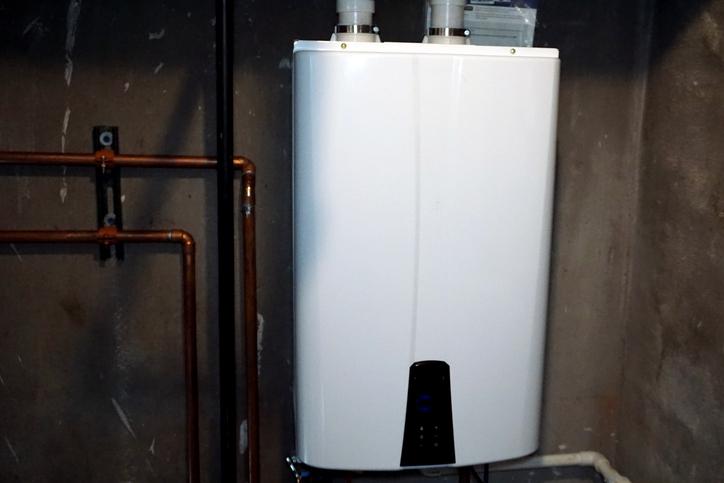
Understanding the Core Differences
Gas and electric tankless water heaters both heat water on demand, but they rely on entirely different power sources. Electric units use high-powered heating elements, whereas gas systems burn natural gas or propane to generate heat. Because of this, the installation requirements vary significantly—especially in older homes throughout Lake City, where upgrades are often necessary.
Electrical Upgrades for Electric Tankless Systems
Electric tankless water heaters may seem simpler at first glance, but they often require substantial electrical upgrades. These units draw a large amount of power, especially when supplying hot water to multiple fixtures at once. In many homes in North Central Florida, existing electrical panels simply aren’t equipped to handle the load.
Upgrading may involve:
- Increasing panel capacity
- Installing new dedicated circuits
- Upgrading wiring to handle higher amperage
If your home has a smaller or older electrical system, it can increase upfront costs. However, once installed, electric systems are compact and don’t require venting, which can simplify placement.
Gas Line Sizing for Tankless Performance
Gas tankless water heaters require a properly sized gas line to operate efficiently. This is one of the most common issues we encounter in Lake City installations.
Many homes were originally built with gas lines sized for traditional tank water heaters or smaller appliances. Tankless systems require a much higher gas volume to operate effectively. If the gas line is undersized, the unit may struggle to deliver consistent hot water.
Upgrading the gas line often involves:
- Running a larger diameter pipe
- Shortening the distance between the meter and the unit when possible
- Ensuring adequate gas pressure for peak demand
While this step adds complexity, it’s critical for performance and longevity.
Venting Requirements in Florida Homes
Venting is another key difference between gas and electric systems. Electric tankless heaters don’t require venting, making them easier to install in tight or enclosed spaces.
Gas units, on the other hand, must safely vent exhaust gases outside of the home. In Florida, this usually means:
- Installing stainless steel or PVC venting systems
- Ensuring proper clearance from walls and windows
- Planning for horizontal or vertical vent runs, depending on your home’s layout
Humidity and weather conditions in this region also make proper venting design essential to prevent corrosion and ensure long-term reliability.
Which Option Is Right for Your Home?
Choosing between gas and electric tankless water heaters isn’t just about preference—it’s about your home’s existing infrastructure and your long-term goals.
If your home already has a strong gas supply and space for venting, a gas unit may offer higher output for larger households. If you prefer a simpler installation and have the electrical capacity (or are willing to upgrade), an electric system can be a great fit.
At Barrs Plumbing, we evaluate your home’s setup and help you understand exactly what upgrades—if any—are needed before
Frequently Asked Questions
Question: Do I need a permit to install a tankless water heater in Florida?
Answer: Tankless water heater installations commonly require permits because the work can involve plumbing, electrical, or gas systems regulated by Florida building codes. Exact permit and inspection requirements vary by local jurisdiction, so they should be confirmed before installation begins.
Question: Can a tankless water heater be installed where my old tank water heater was?
Answer: A tankless unit can often use the general area of an existing water heater, but the location must meet clearance, utility, and service-access requirements. Gas models also need suitable venting, while electric units require adequate electrical connections near the installation point.
Question: How do I know what size tankless water heater my home needs?
Answer: Tankless systems are sized according to the combined flow rate of fixtures that may use hot water at the same time and the required temperature rise. A household that regularly runs multiple showers or appliances simultaneously will generally need greater heating capacity.
Question: Does Florida hard water affect gas and electric tankless water heaters?
Answer: Hard water can cause mineral scale inside both gas and electric tankless systems, reducing heat transfer and water flow over time. Regular descaling and appropriate water treatment can help control buildup and support reliable system performance.
Question: Will a gas tankless water heater work during a power outage?
Answer: Most modern gas tankless water heaters still require electricity for ignition, controls, sensors, and other operating components. Without compatible backup power, both gas and electric tankless systems will generally stop producing hot water during an electrical outage.installation begins.
Contact Barrs Plumbing Inc. today to learn more or schedule service.