
 386-752-8656
In Florida, a water softener works harder than many homeowners realize. Our mineral-heavy groundwater, humidity, and year-round water use can affect how often your system needs attention. For homeowners looking for dependable water treatment systems in Lake City, we want you to understand what normal softener care looks like before a small issue turns into a costly repair.
At Barrs Plumbing Inc., we help customers keep their water softeners reliable, efficient, and ready for Florida’s demanding water conditions. A little routine maintenance can protect your plumbing, fixtures, appliances, and your home’s comfort.
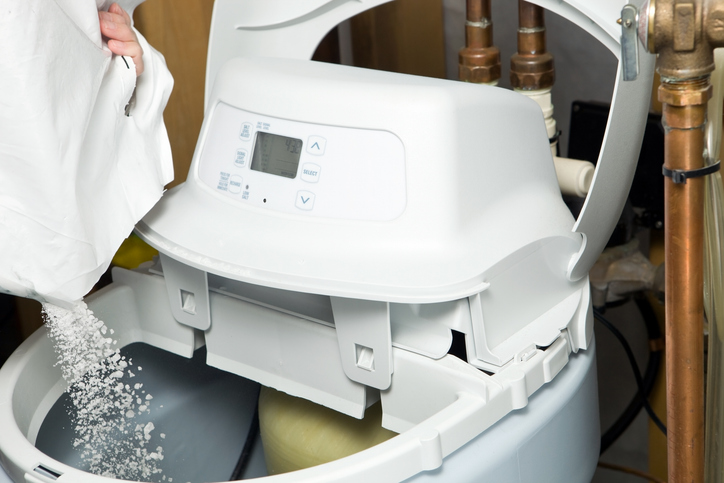
How Often Should You Add Salt to a Water Softener in Florida?
Most Florida households should check their brine tank at least once a month. In many homes, salt needs to be added every four to six weeks, but actual use depends on your water hardness, household size, system settings, and how much water your family uses.
A good rule is to keep the tank about half full of salt and make sure the salt level stays above the water line. Do not overfill the tank, because packed salt can create bridging, which prevents the system from regenerating properly. If your water starts feeling hard even though salt is visible, a salt bridge may be the problem.
Routine Water Softener Maintenance for Florida Homes
Simple maintenance goes a long way. Look inside the brine tank monthly, break up any crusted salt, and watch for mushy salt buildup at the bottom. Use the salt type recommended for your unit, and avoid mixing products unless your system allows it.
We also recommend checking the system clock, regeneration schedule, and bypass valve after power outages or service work. In Florida, where minerals, sediment, and iron can vary by well or municipal source, periodic professional service helps confirm that your softener is sized, programmed, and operating correctly.
Water Softener Warning Signs Florida Homeowners Should Watch For
Call us if you notice soap that will not lather, spots on dishes, dry skin, dingy laundry, low water pressure, salty-tasting water, or a brine tank that never seems to use salt. These signs can point to salt bridging, clogged resin, valve issues, improper settings, or mineral buildup.
Florida’s humidity can also cause salt to clump faster, especially in garages, sheds, or utility areas without climate control. If your system uses more salt than usual, regenerates too often, or leaves water feeling slippery or salty, it is worth having Barrs inspect it.
Ask About Our Salt Route Option
We know hauling heavy bags of salt is inconvenient. That is why Barrs offers a unique salt route option for customers who want easier maintenance. We can deliver salt on a regular schedule, help keep your system supplied, and reduce the guesswork of softener care.
If you are unsure how often your system should be checked, we can evaluate your water usage, salt consumption, and equipment condition. This keeps your softener consistent, protects appliances, and gives you one less home maintenance task to worry about. With regular service and dependable salt delivery, your water softener can keep up with Florida’s tough water while helping you avoid unnecessary wear on your plumbing system.
Frequently Asked Questions
Question: What happens if my water softener runs out of salt?
Answer: Without enough salt, the softener cannot properly regenerate its resin, allowing hard water to begin passing through the system. After refilling the brine tank, the unit may need a regeneration cycle before softened water returns.
Question: How often should a water softener brine tank be cleaned?
Answer: Many water softener brine tanks benefit from a thorough cleaning about once a year to remove sediment, salt residue, and accumulated sludge. Homes with well water or noticeable buildup may need the tank inspected and cleaned more frequently.
Question: How can I test whether my water softener is actually working?
Answer: A water hardness test can measure whether treated water still contains significant levels of calcium and magnesium. Testing water after the softener can help identify performance problems before mineral scale and other hard-water symptoms become obvious.
Question: How long does water softener resin usually last?
Answer: Water softener resin can often last around 10 to 15 years, although water chemistry, chlorine, iron, and maintenance can affect its lifespan. Resin that no longer removes hardness effectively after proper regeneration may need professional evaluation or replacement.
Question: Do water softeners on well water need more maintenance?
Answer: Well water can contain iron, manganese, sediment, and other minerals that may foul softener components more quickly than treated municipal water. Periodic water testing and professional service can help determine whether the resin or other components need additional cleaning.
Contact Barrs Plumbing Inc. today to learn more or schedule service.